Logbook
How to Get From Sorrento to Capri: Ferry, Hydrofoil and Private Boat
Capri sits just over 17 km off Sorrento, and the only way across is the water. This practical guide breaks down the scheduled ferries and hydrofoils — times, prices, the right port, and sea-condition tricks — then explains exactly when chartering a private boat makes more sense than chasing a timetable.
- Distance Sorrento to Capri
- About 17 km (roughly 9 nautical miles)
- Crossing time
- 20-30 min by fast ferry or hydrofoil
- One-way fare (2025-2026)
- Around EUR 22-25, plus ~EUR 2.50 for large luggage
- Ports used
- Marina Piccola, Sorrento to Marina Grande, Capri
There is only one way to Capri, and it is by water
Capri is an island, so there is no road, bridge or tunnel from the mainland. Whatever you read online, every route from Sorrento ends with a boat. The good news is that the two places sit close together: it is only about 17 km, or roughly 9 nautical miles, across the mouth of the Bay of Naples. On a clear morning you can see Capri's silhouette from Sorrento's clifftops.
That short distance gives you two genuinely different ways to make the trip. The first is the scheduled public service — fast ferries and hydrofoils that run on a fixed timetable from Sorrento's harbour. The second is a private boat that leaves when you want, stops where you like and treats the island as a destination to explore from the sea rather than a port to rush into. This guide covers both, honestly.
Ferry and hydrofoil: operators, crossing times and frequency
Sorrento to Capri is one of the busiest short crossings in the Bay of Naples, served by several operators including Caremar, NLG (Navigazione Libera del Golfo) and the Gescab/SNAV consortium. Some run a larger fast ferry, others a hydrofoil (aliscafo). In practice the crossing takes between 20 and 30 minutes either way — the hydrofoils are usually a touch quicker, the bigger ferries a little steadier in a swell.
Frequency swings hard with the season. In peak summer the combined operators put on roughly 15 to 20 daily departures, often leaving every 30 to 60 minutes from about 07:15 in the morning until the early evening. In winter the schedule thins out to a handful of sailings a day. Because timetables change yearly and by operator, always confirm the exact departure and the last return on the official operator websites before you commit to a plan.
Tickets and prices: what you'll actually pay
Expect to pay roughly EUR 22 to 25 for a one-way adult ticket in the 2025-2026 range, with reductions for children and residents. There is usually a small surcharge of around EUR 2.50 for each large suitcase, and hydrofoils in particular have limited luggage space — something to weigh if you are island-hopping with big bags rather than day-tripping.
You can buy at the ticket offices on the quay at Marina Piccola, but in high season the popular morning crossings sell out, so booking online the day before is smart. A useful tip: many travellers buy the outbound ticket in advance and leave the return open, because plans on Capri tend to slip and a flexible return saves stress. Keep a screenshot of your ticket and a note of the very last sailing home.
From Sorrento's old town to the quay — and arriving on Capri
Ferries leave from Marina Piccola, the working harbour tucked beneath the centre of Sorrento — not to be confused with Capri's own beach of the same name. From Piazza Tasso it is a 10 to 15 minute walk downhill via steps and a ramped road, or a short hop by local bus or taxi. Give yourself a comfortable buffer and aim to be at the gate at least 20 to 30 minutes before departure, especially in summer.
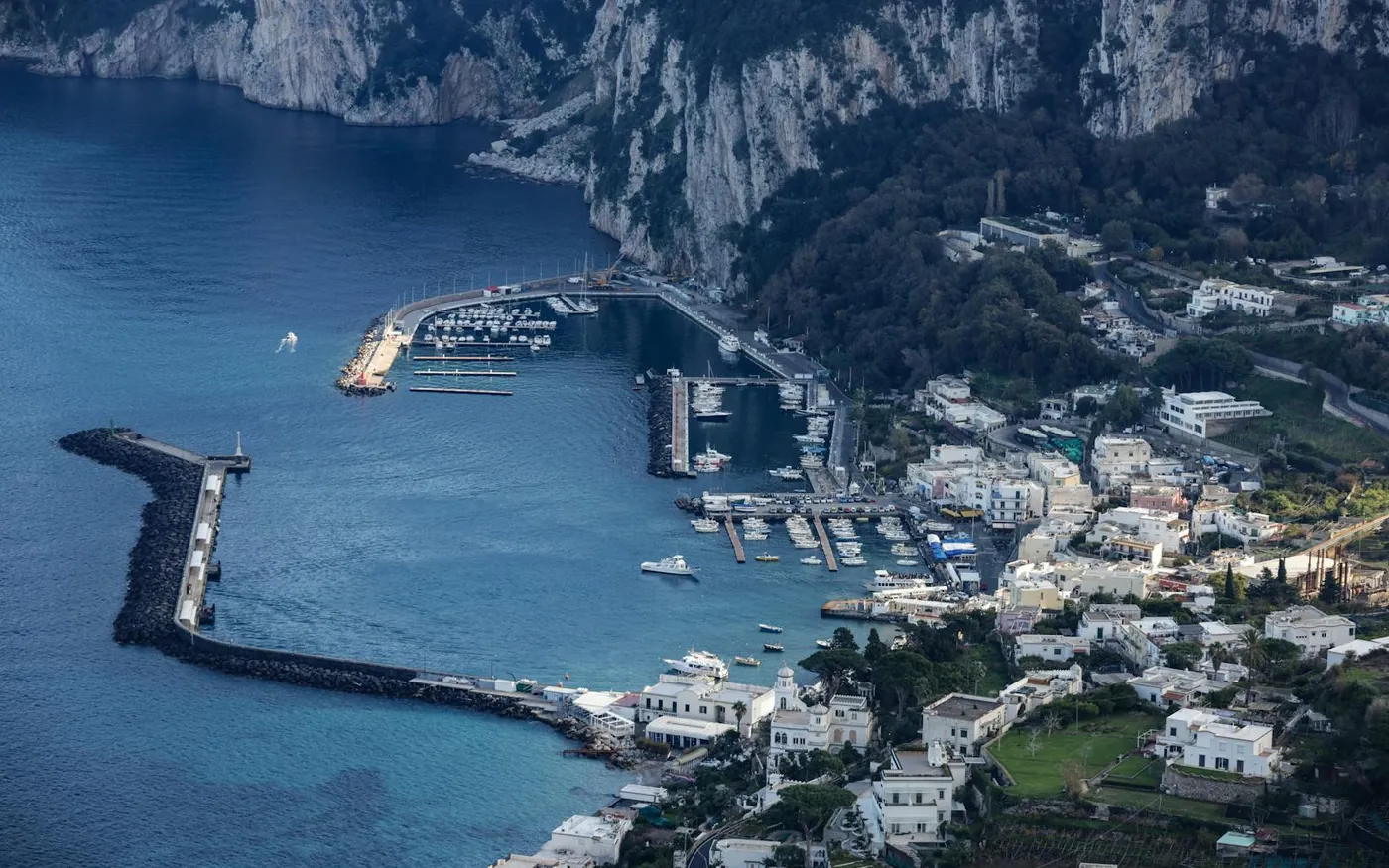
On the far side you land at Marina Grande, Capri's main port. From there the historic funicular climbs to Capri town in about three minutes, or buses wind up to both Capri and Anacapri; open-top taxis are charming but pricey. If your goal is the island's coastline rather than its piazzas, this is exactly where a boat-based plan starts to look more appealing than the funicular queue.
Ferry vs hydrofoil vs private boat: which fits your day?
Choose the scheduled ferry or hydrofoil when your priority is getting onto the island cheaply and you are happy to shape the day around the timetable and the crowds. It is fast, frequent in summer and by far the lowest-cost option. The trade-off is rigidity: fixed slots, queues at Marina Grande and a hard deadline to catch the last boat back.
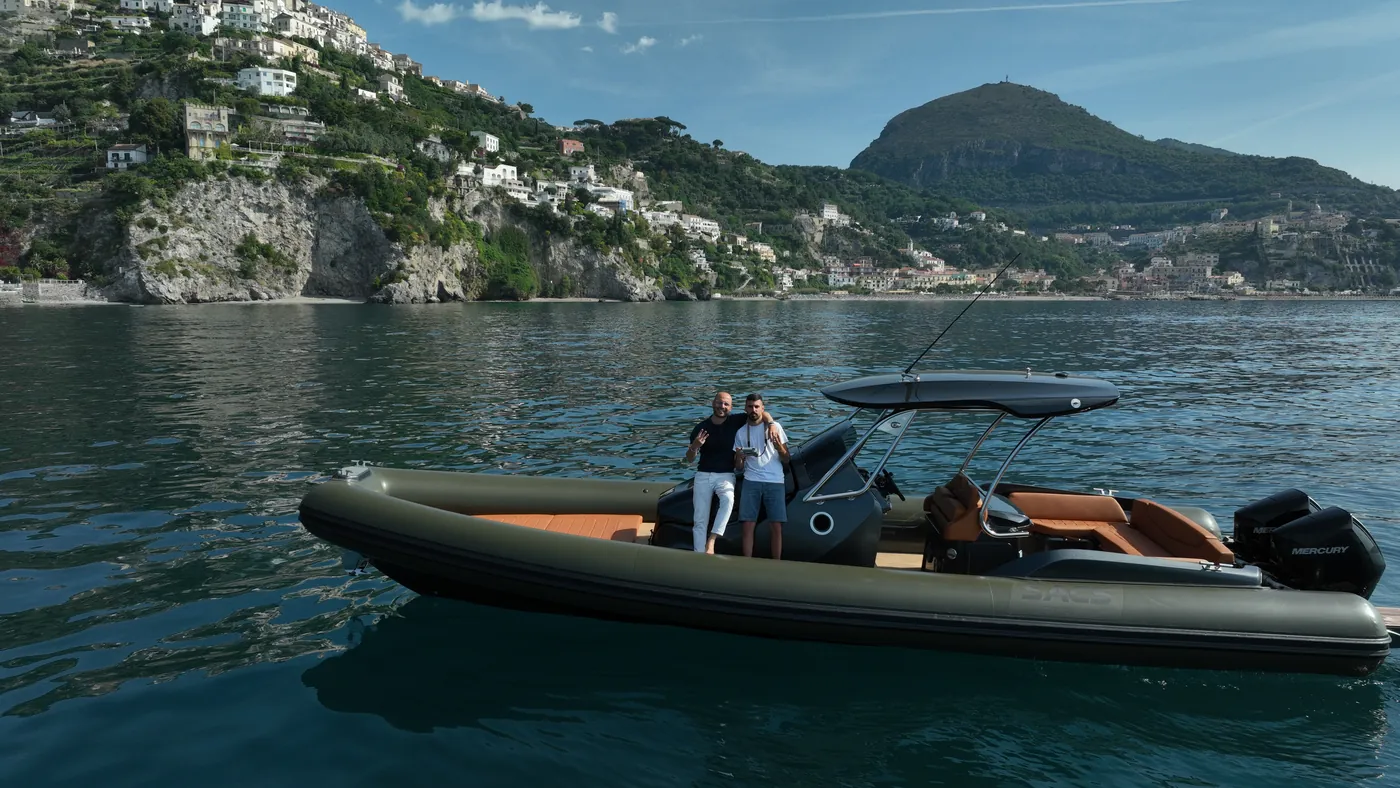
A private boat answers a different question. Instead of a port-to-port transfer it becomes the experience itself — you cruise the cliffs, swim where the water is clearest and arrive on your own schedule. If a relaxed, crowd-free day on the water matters more than the cheapest fare, compare a scheduled crossing with a Sorrento to Capri trip by private boat before you decide.
What a private boat adds: Faraglioni, sea caves and swim stops
A ferry drops you at the port and the day is yours to organise on foot or by bus. A private boat instead circles the island from the sea, where most of Capri's drama actually is: the three Faraglioni stacks, with the famous gap you can motor through; the Green and White grottoes; and dozens of coves where the water turns an improbable turquoise. You stop to swim, snorkel and drift — things no scheduled boat will ever do.
The other gain is time. There is no fixed return slot, no morning rush to beat the sell-out crossing, and you set the pace for lunch and the light. For travellers who want the island unhurried, a private Capri boat tour reframes the trip entirely; a half- or full-day charter from the Sorrento coast turns the crossing into the best part of the day rather than a transfer to endure.
The Blue Grotto, honestly
The Grotta Azzurra is genuinely special, but set your expectations correctly. No vessel — not the ferry, not a private RIB, not even a large tour boat — enters the cave itself. Entry is only by the small licensed rowing boats that work the narrow opening, and you transfer into one at the entrance. There is a separate fee of roughly EUR 18, and the cave operates only when the sea is calm; a swell or high tide can close it at short notice.
What a private boat does well here is logistics: it takes you to the grotto's mouth at the quieter end of the day and waits while you transfer in, so you skip the long shuttle from Marina Grande. Just treat the Blue Grotto as a hopeful bonus rather than a guaranteed highlight, and you'll never feel let down by the weather.
Practical tips for a smooth crossing
Watch the sea state. Hydrofoils are quick but more sensitive to rough water than the larger ferries, and a windy forecast can mean cancellations — if conditions look choppy, the bigger fast ferry is the steadier bet. Go early to dodge the midday day-tripper wave that floods the port and the funicular, and bring water, sun protection and a light layer for the breeze on deck.
Above all, protect your return. Note the last sailing from Capri back to Sorrento — it can fall anywhere from roughly 18:30 to the early evening depending on operator and season — and don't drift to the far side of the island so late that you risk missing it. If a fixed deadline ruins the mood, that flexibility is precisely the reason many visitors choose a private boat that simply waits for them.
Frequently asked
How long does it take to get from Sorrento to Capri?
The scheduled fast ferries and hydrofoils take roughly 20 to 30 minutes across the 17 km crossing, with the hydrofoils usually slightly quicker. A private boat can run directly in a similar time, but most charters cruise slowly with swim and sightseeing stops, so the journey deliberately takes longer.
How much is a ferry ticket from Sorrento to Capri?
Expect around EUR 22 to 25 for a one-way adult ticket in the 2025-2026 range, with reductions for children and residents, plus roughly EUR 2.50 per large suitcase. Prices vary by operator and season, so check the official operator website for the exact fare before you travel.
Which port do the boats leave from in Sorrento?
All Capri services depart from Marina Piccola, the harbour below Sorrento's town centre. From Piazza Tasso it is a 10 to 15 minute walk downhill, or a short ride by local bus or taxi. Arrive at least 20 to 30 minutes early, especially in summer when the quay gets busy.
Do I need to book Sorrento to Capri tickets in advance?
In peak summer, yes — the popular morning crossings frequently sell out, so booking online the day before is wise. Many travellers buy the outbound ticket in advance and leave the return open, since plans on Capri often slip and a flexible return ticket avoids missing the last boat.
What time is the last ferry back from Capri to Sorrento?
It varies by operator and season, typically falling somewhere from about 18:30 to the early evening. Always confirm the exact last sailing on the day and keep a note of it. Missing it can mean an expensive night on the island, so build in a comfortable margin.
Can I get to Capri from Sorrento without taking a ferry?
No. Capri is an island with no road, bridge or tunnel, so a boat is the only way across. Your choices are the scheduled public ferry or hydrofoil, or a private boat charter that leaves on your own schedule rather than a fixed timetable.
Is a private boat worth it compared with the ferry?
It depends on your priorities. The ferry is cheapest and fastest for simply reaching the island. A private boat costs more but adds flexibility, swim stops, close-up time at the Faraglioni and the sea caves, and no queues — ideal if a relaxed, crowd-free day on the water is the point of the trip.
Can a boat take me inside the Blue Grotto?
Not your own boat. No ferry or private vessel enters the Grotta Azzurra; access is only by small licensed rowing boats at the entrance, for a separate fee of around EUR 18, and only when the sea is calm. A private boat can drop you at the mouth and wait, but entry itself is always by rowboat.
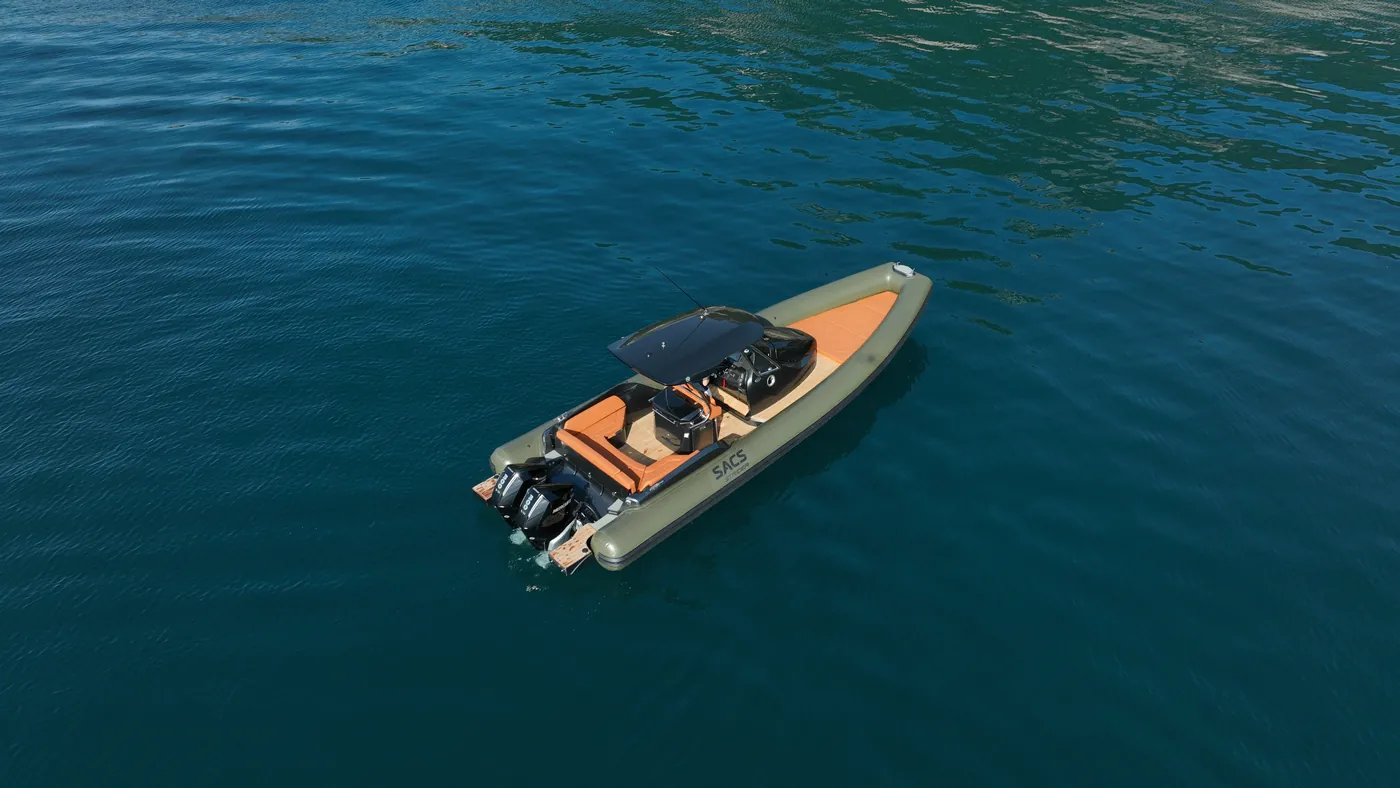
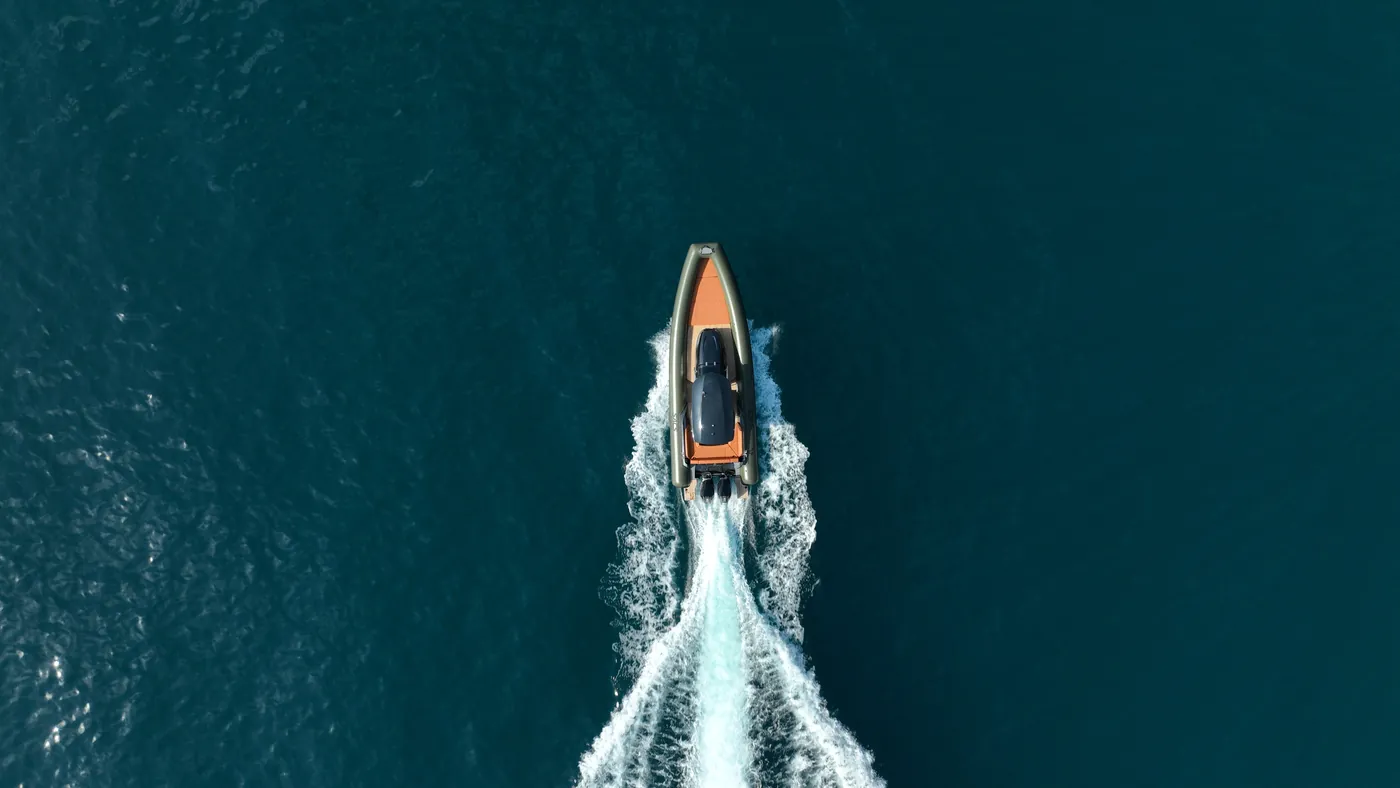
Skip the timetable: cross to Capri your way
Strider Amalfi runs a single premium SACS RIB with a skipper aboard, leaving from the Sorrento and Amalfi Coast area. Instead of racing a ferry schedule, you set the pace — swim beneath the Faraglioni, idle by the sea caves and step ashore on Capri when you choose. A full private day is EUR 1,500, with a 7-outing package available at EUR 7,499. Message us on WhatsApp at +39 389 311 4784 or send the contact form to check your date.